Key Takeaways
- Marble worktops offer timeless beauty and a premium, unique look due to natural veining, colour variation, and texture.
- The natural stone stays cool and handles heat well, making it an exceptional surface for bakers and cooking enthusiasts.
- Marble requires proper care and maintenance because it is porous, softer than granite, and susceptible to staining, scratching, and etching.
- Practical tips for selecting marble include viewing the actual slab, choosing the appropriate finish, and planning for proper sealing.
- Choosing a marble worktop is a decision that balances aesthetic ambition with the reality of ongoing maintenance and care.
Marble has always been a top choice in interior design due to its aesthetic qualities and being a classic material at the same time. In the case of kitchens, it is a surface that combines sophistication with practicality. Changing the whole kitchen or merely changing the old also creates the mood of the kitchen entirely. The reasons discussed below in this blog are the reasons why marble worktops are still such a popular material for modern kitchen design.
What makes marble so appealing?
First things first: why are marble worktops still such a popular choice? What sets it apart from quartz, laminate, and granite?
Timeless beauty. Marble has a premium feel. It brings a “sense of understated luxury and refinement that never goes out of style.” Each slab is unique—veining, colour variation, texture. That gives the kitchen an individuality you don’t get with uniform man-made surfaces.
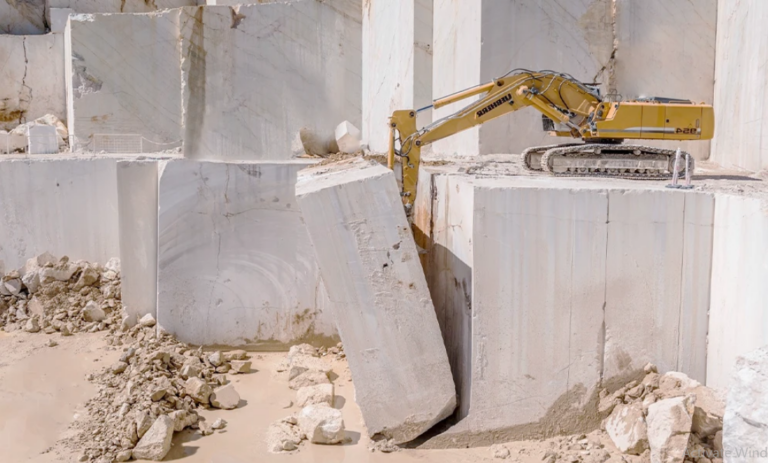
Natural material. It’s not just the look but the fact you’re dealing with a natural stone—formed over millennia. That authenticity adds emotional value and longevity.
Physical qualities that help. Yes, marble has practical advantages:
- It stays cool, which is great for baking, rolling dough, and prepping food.
- It handles heat (to a degree)—a hot roasting pan, maybe not directly, but it has better heat-resistance than many cheaper materials.
- It offers a wide variety of colours and veining styles—from crisp white with grey veins to darker, dramatic stones. That makes it flexible for design.
So you get a worktop that isn’t only functional but memorable—something that helps your kitchen feel special rather than just “nice”.
Why choose a marble work surface for your kitchen
Let’s break it down into what you’re really gaining when you go with marble:
Design flexibility & statement quality: Because every slab of marble is unique, you can pick one that literally becomes the feature of your kitchen. Whether you have pastel cabinetry, dark wood, minimalist handles or bold metal finishes, marble can anchor the scheme. Its veining becomes part of the character of your space.
Longevity and value: If looked after, marble can last decades. It’s a material that ages, patinas, and actually, many homeowners find that desirable—a surface that tells a story. From a resale or investment perspective, a well-chosen marble worktop can elevate the perceived value of your kitchen.
Work-friendly aspects for cooks and bakers: If you bake or cook a lot, the cool surface of marble is a pleasure. Rolling pastry on marble is much more comfortable than on a warm laminate or wood surface. Also, the feel of marble under your hands gives a sense of quality that permeates the whole cooking experience.
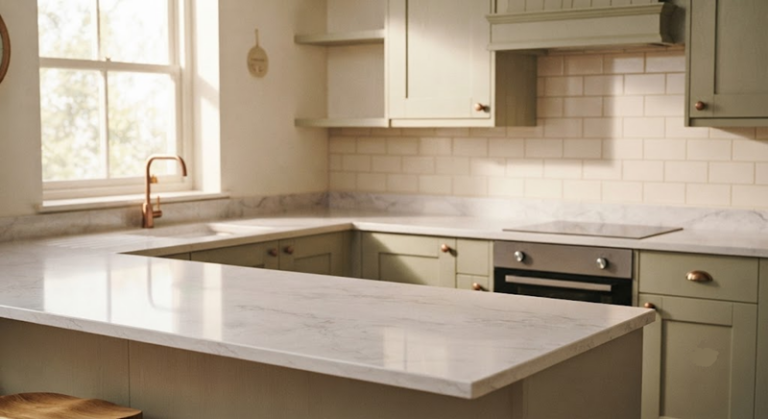
Versatility across styles: Whether you are going for a classic country kitchen, a modern minimalist design, or something transitional, marble fits. Pair it with brass taps for a vintage feel; pair it with matte black hardware for industrial chic. The inherent beauty of the stone means you don’t have to overthink it.
Making your kitchen unique: Because no two slabs are identical, a marble kitchen counter allows you to customise and personalise. If you want your kitchen to stand out, to feel bespoke, marble is one of the few materials that deliver that in a genuine way.
Is Marble the Right Worktop for Your Kitchen?
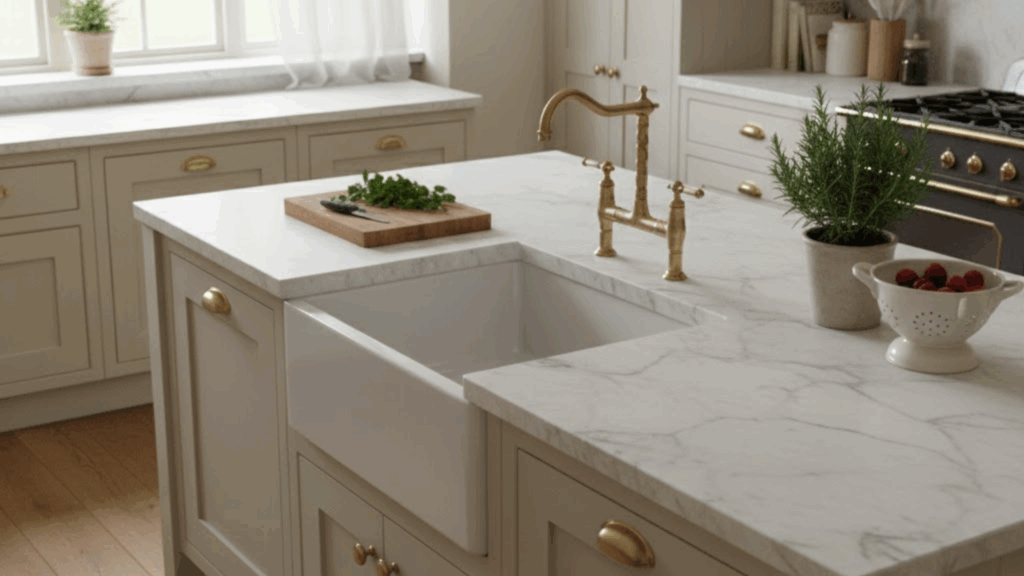
Let’s be honest: a marble kitchen worktop is fantastic—but it is not the low-maintenance option. If you choose marble, you’ll need to embrace care and realistic expectations. Here are key considerations:
Porosity & staining risk: Marble is naturally porous, meaning it can absorb liquids, oils, pigment—so wine, tomato sauce, lemon juice can leave marks if you’re not careful. On white or light marble, this is more visible. Sealing helps, but doesn’t make it completely impervious.
Scratching & etching: It’s softer than granite and some engineered surfaces. Metal pans dragged across it, acidic foods, or abrasive cleaners can make scratches or dull marks (etching) over time. If your kitchen is high-traffic, lively, with children or heavy usage, you might find it demanding.
Cost and installation considerations: Marble can be more expensive than many alternatives, especially exotic or highly veined types. Also, installation must be properly done (slabs supported, sealed, joints managed) or you may get cracks or chips later.
Maintenance commitment: To keep marble looking its best, you’ll need to wipe up spills promptly, avoid abrasive cleaners or acids, use chopping boards and trivets. Occasional resealing and maybe re-polishing are wise. Essentially, you’re choosing a premium surface that asks a little back.
Natural wear becomes part of the look: Some people love the patina that marble gains over time (small scratches, softening of finish). Others may dislike the ‘used’ look. Decide whether you want your kitchen to be pristine or are comfortable with character.
How to make sure you pick the right marble
If you’ve decided that the benefits outweigh the trade-offs and you want marble, here are some practical tips (speaking as someone in the design/fabrication world):
- View the actual slab: Because of natural variation, ask to see the actual piece that will be used in your kitchen. Veining, colour, size of slab—all matter.
- Choose the right finish: Polished gives shine and drama; honed gives a softer, muted look. It may also help with wear.
- Edge and installation detail matter: The edge profile (eased, rounded, bullnose) will affect visual weight and cost. Joints should be as minimal as possible.
- Think about the kitchen usage: If you bake a lot, or have a family, maybe select a slightly more durable grade of marble or combine with protective zones (chopping board area, mat for hot pans).
- Sealing and maintenance plan: Ensure your installer or fabricator seals the stone and advises you on care. Ask: how often does it need resealing? What kinds of cleaners to use/avoid?
- Choose the right colour and veining for your scheme: Strong veining can dominate the space; subtle veining creates a calmer look. Match cabinetry and hardware accordingly.
- Budget for extras: Fabrication, transportation, installation of heavy slabs, support frames—these all add. Also, budget for maintenance if needed.
Why choose marble as a competitive edge
If you’re a kitchen designer or supplier (or you’re framing content for one), here’s how you can position marble to win over clients—why they might choose you to supply/design marble rather than alternatives or competitors:
- You offer the ‘wow’ factor: When someone walks into the kitchen, the marble worktop is unmistakable’ll walk in and say, “Wow.” That elevates the whole kitchen.
- Premium positioning: Marble says luxury, quality, permanence. If clients want their kitchen to have a lasting impact (and possibly boost their home value), you’re providing that.
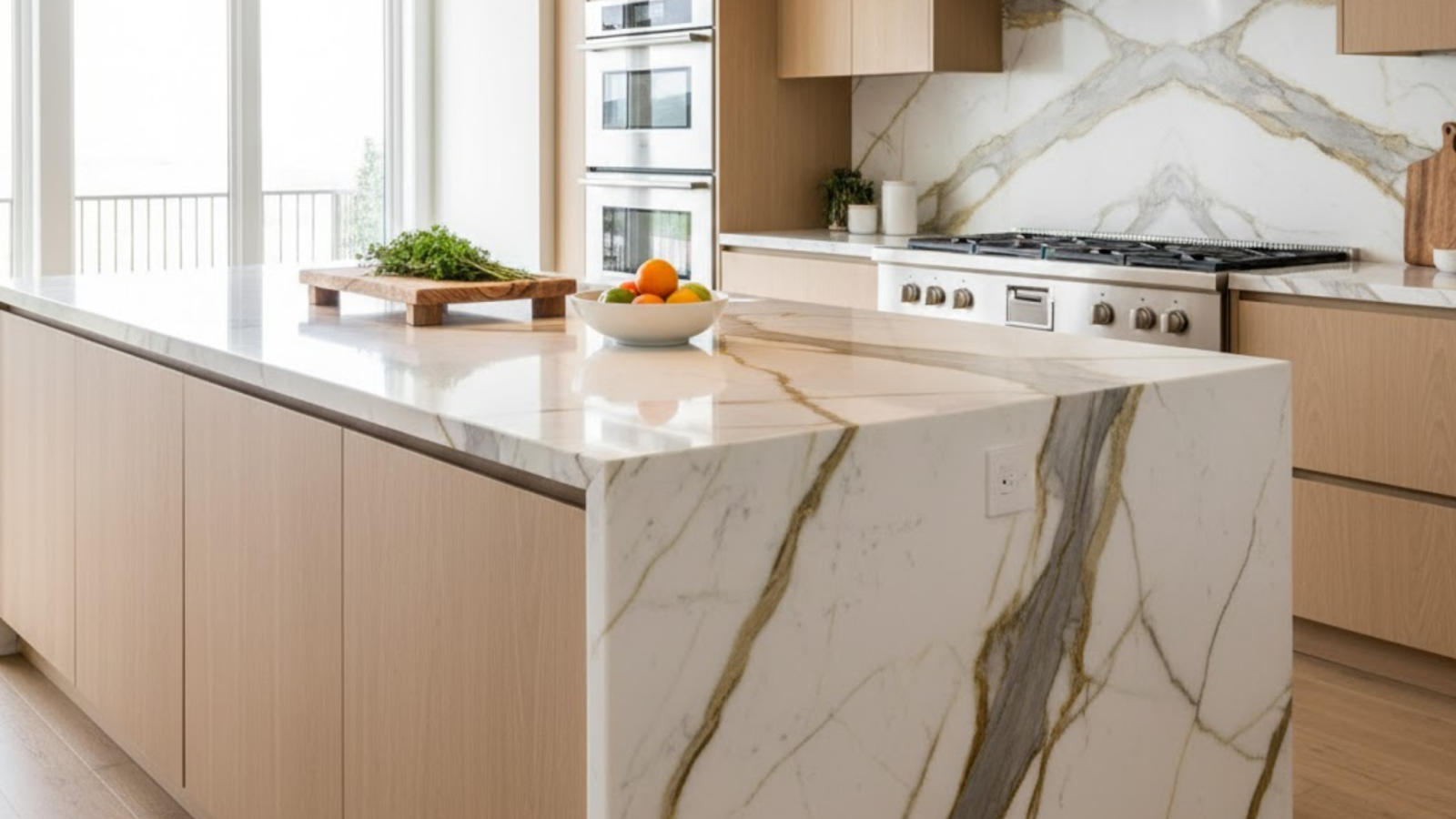
- Tailored, bespoke feel: Because of slab variation and installation creativity (waterfall edges, islands, integrated sinks, large unbroken slabs) the kitchen feels custom. That gives you scope to differentiate.
- Story-telling opportunity: With marble, you can talk about origins (Carrara, Calacatta, exotic green marbles), craftsmanship, and feature slabs. That builds value and emotional attachment.
- Showcase for clients who care about design: Clients who love interiors, who want something special, will gravitate to marble. If your offering emphasises design detail and not just “standard kitchen fits”, marble is a key component.
- Upsell possibilities: Because marble is premium, there’s margin potential. You can offer upgrades—special edge profiles, waterfall legs, matching splashbacks, book-matched slabs, and integrated lighting.
- Education builds trust: If you can explain the benefits and the responsibilities (maintenance, care) clearly, you build credibility. Clients appreciate honesty and will trust your advice.
Perfect Marble Kitchen Design Tips
- Mix marble with wood, what are warm tones for a smooth, homely appearance.
- Choose dark veined marble for a stunning contrast in snow white kitchens.
- Place lights very carefully to make the marble’s surface and shine more visible.
- Make the marble the main point by having the other ornamentation modest.
These features provide your kitchen with a fashionable and balanced appearance without the risk of it being too much.
Final thoughts: Is marble right for you?
In the end, choosing a marble worktop is a decision that balances ambition and reality. If your vision for your kitchen is: high-impact, high-quality, long-term investment, and you’re willing to live with some care and nuance in maintenance, then marble is an excellent choice.
If instead your priorities are ultra-low maintenance, a very active kitchen with heavy wear, minimal worries about scratches or staining, then you might lean toward another material (or reserve marble for a feature zone rather than full coverage).
But if you are ready to commit to better fabrication, to good install practices, to proper use—and if you want your kitchen to feel timeless and special, then a marble worktop is one of the strongest design choices you can make.