Key Takeaways
- Quartzite is harder and more scratch-resistant than marble, making it better suited for busy kitchens.
- Marble is prized for its timeless luxury and elegance, making it ideal for sophisticated homes with careful maintenance.
- Quartzite is generally more durable and offers better resistance to everyday wear, heat, and kitchen acids.
- Marble is prone to scratches, stains, and acid etching from substances like lemon juice, vinegar, and wine.
- Both natural stones require maintenance and periodic sealing, though quartzite generally demands less day-to-day care.
Quartzite and marble worktops are both natural stones that are used for a luxury appeal in a modular kitchen. The prime difference while bringing a smooth comparison between quartzite and marble is that the former is used for busy kitchens and the latter is mainly used for elegant homes and luxury interiors. Quartzite is generally better for busy kitchens because it is harder and more resistant to scratches, while marble is ideal for homeowners who do not have a very congested kitchen.
What Is the Difference Between Quartzite and Marble Worktops?
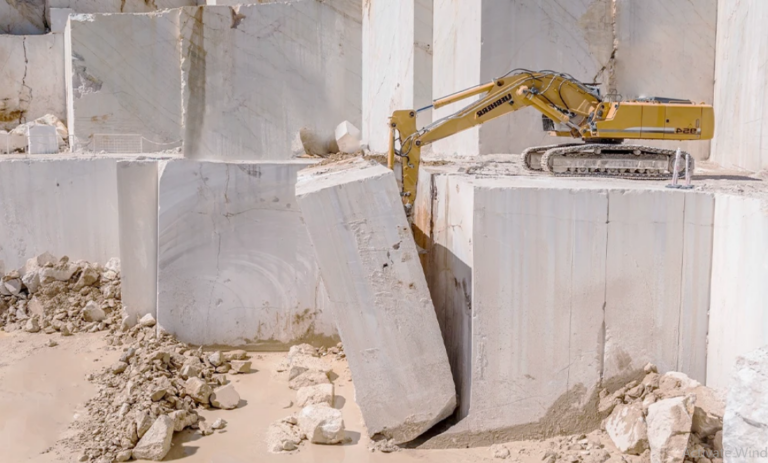
The main difference between quartzite vs marble worktops is is their hardness and resistance to everyday wear. Quartzite starts as sandstone and bears extreme heat and pressure, which makes it harder and denser than marble. is a natural metamorphic stone formed from sandstone and is generally more scratch-resistant than marble. Marble is also a natural stone, but needs proper maintenance as it’s prone to scratches and stains.
Quartzite vs Marble: Which Should You Choose?
- It’s important to choose marble if you are willing to make your home and kitchen modular. Marble is best suited for luxury homes where there is a good amount of care and maintenance needed.
- It’s equally relevant to use quartzite if you need a harder and tougher marble for strong and competent kitchens.
What Is Quartzite?
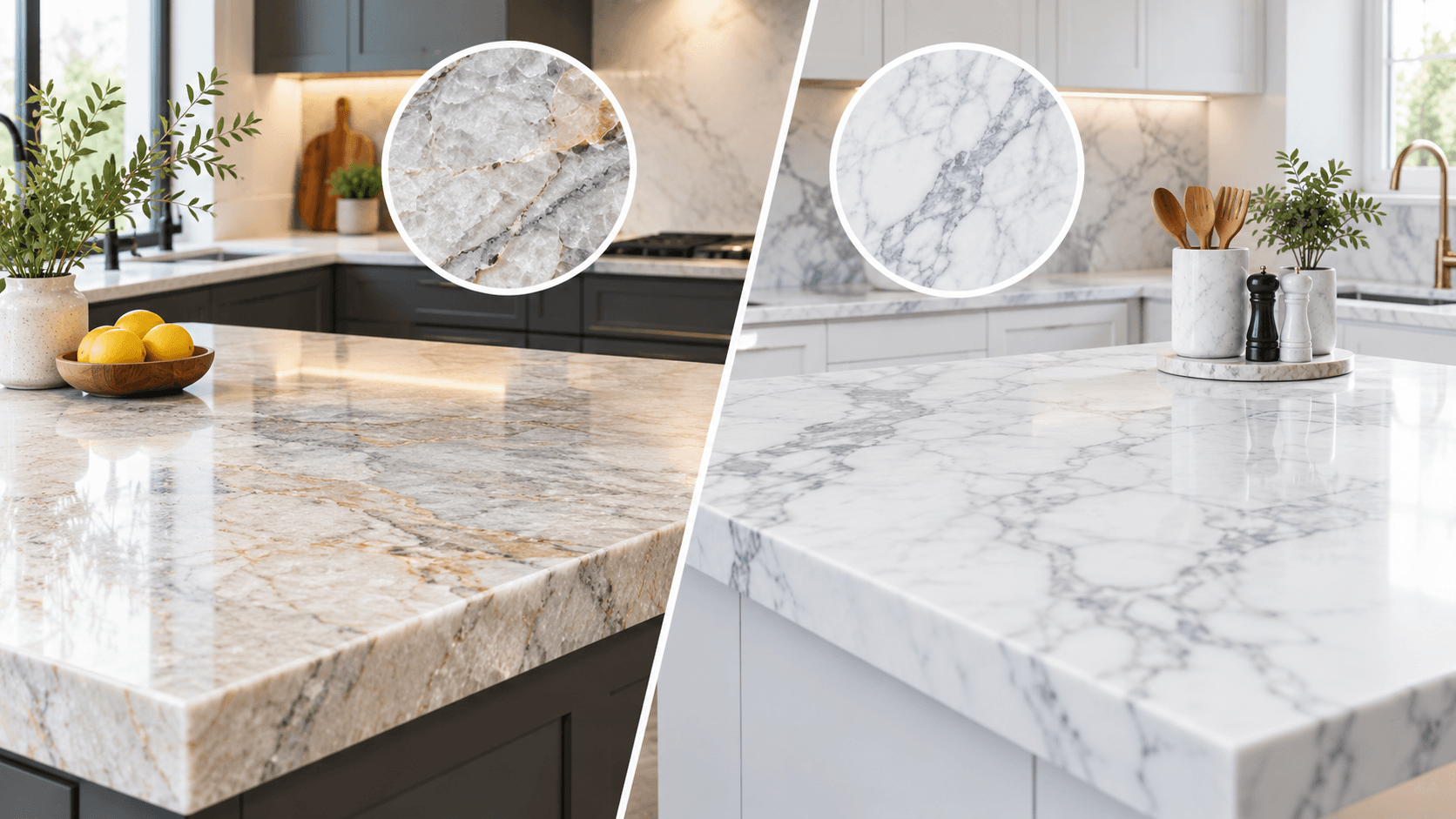
Quartzite is a natural stone that begins as limestone and transforms under heat and pressure. This process creates a dense, hard material with colour variations from subtle white and grey to bold gold tones. Quartzite mainly provides a better visual appeal but features slightly more dramatic patterning and crystalline sparkle. Natural quartzite has unique variations in colour and pattern, making every slab different.
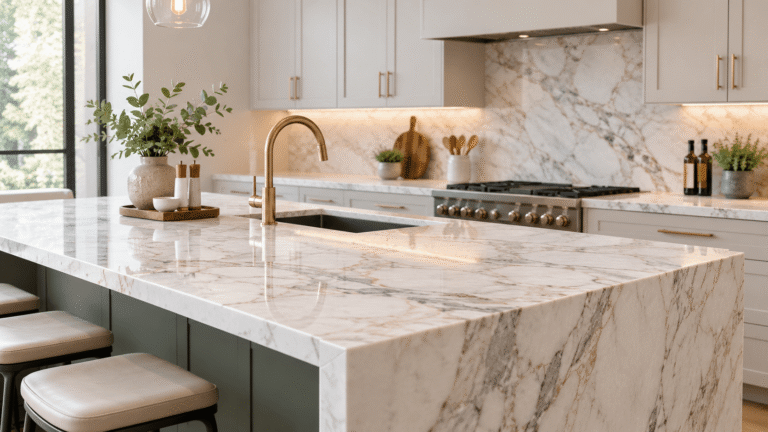
While comparing quartzite vs marble countertops, marble ones are known for timeless luxury and provide an appealing look to the kitchen. It is known for its luxurious appeal, unmatched elegance, and sophisticated finish. Popular varieties include Carrara, Calacatta, and Statuario marble, which are frequently used for kitchen islands, splashbacks, and premium worktops.
Marble vs Quartzite Kitchen Worktops: Side-by-Side Comparison
| Feature | Quartzite | Marble |
| Formation | Formed as natural sandstone | Formed as natural limestone or dolostone |
| Roughness | Generally Harder | Softer and smoother |
| Thermal Resistance | Good heat resistance | Is not as tolerant to heat as quartzite |
| Scratch Tolerance | Suitable for everyday use. | Vulnerable to scratches |
| Cleanliness and Upkeep | Requires periodic sealing | Regular care and sealing |
| Appeal | Available in various colours | Classic and statement style |
Which Worktop Is More Durable?
Quartzite is generally more long-lasting than marble. Its hard and tough nature makes it a logical option for kitchens that need adequate cleaning. While drawing a comparison between quartzite or marble worktop is that quartzite is more hard and destructible. However, hardness does not make quartzite indestructible; edges can chip and can be prone to stains.
Marble can also last for years if maintained well. Lemon juice, vinegar, wine, and other acidic substances can dull its polished surface. This natural ageing may appeal to people who like a lived-in appearance, but it can irritate homeowners who want flawless interiors. It’s best to choose quartzite for scratch resistance and sustainability. Marble is useful for chopping boards and trivets with either stone.
Which Worktop Requires Less Maintenance?
Quartzite generally requires less day-to-day care than marble, although neither material is completely maintenance-free. While making a comparison between quartzite or marble kitchens, it’s most important to understand the interior of one’s household. Clean both surfaces with a microfibre cloth and avoid too many foaming detergents to be used. Spills of oil, coffee, tea, and wine can be erased quickly, so it’s best to avoid acidic cleaners, abrasive pads, and harsh chemicals.
Sealing is an important consideration for both stones. Although quartzite requires periodic sealing, marble only needs sealing when edges are not smooth. Some quartzite slabs absorb liquids more readily than expected, so ask your fabricator to perform an absorbency test before installation. Marble should also be sealed when appropriate, but sealing does not prevent acid etching.
Frequently Asked Questions
1. What is the difference between quartzite and marble worktops?
Quartzite is a harder and tougher stone than marble, which is perfect for busy kitchens. Marble, on the other hand, is the live wire of a modular home that fits elegance and soft appeal. Quartzite worktops are easy to maintain with a soft fibre cloth, while marble worktops need more time to be maintained and require extra care and precision.
2. Is quartzite more durable than marble?
Quartzite is more long-lasting than marble since its more rough and tough and exhibits resistance to kitchen acids. Quartzite is known for its resistance to heat and porous substances, and so is definitely every homemaker’s choice for daily usage.
3. Which is more expensive, quartzite or marble?
Quartzite often costs more than standard marble varieties, but the final price depends on the specific stone and installation requirements. Rare quartzite slabs with striking colours or distinctive veining can command premium prices, while luxury marble varieties can also be expensive.
4. Is quartzite or marble better for kitchen worktops?
Quartzite is usually the better choice for busy kitchens, while marble is a safe pick for luxury and elegant homes where lifestyle meets class and authenticity.