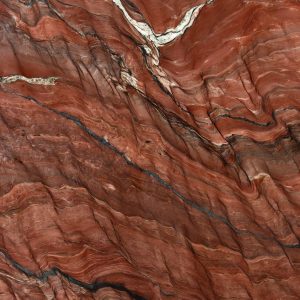
Neolith Calacatta is a large-format sintered stone worktop from Spanish manufacturer Neolith, made without resin from 100% natural raw materials fused under extreme heat and pressure. It reproduces the white-and-grey veining of Calacatta marble while offering exceptional scratch, heat and UV resistance, and KML Worktops supplies it in 12mm and 20mm for worktops.
Neolith’s sintering process makes the surface extremely dense and non-porous, so Calacatta resists scratching, staining and heat far better than natural marble and holds up well against direct pan contact. Its UV stability also makes it one of the few worktop materials genuinely suitable for outdoor kitchens or conservatories with heavy sun exposure.
Why Choose Neolith Calacatta
Because it contains no resin, Neolith is UV-stable, it won’t yellow or fade even in a bright, south-facing kitchen or outdoor kitchen area.
Extremely scratch- and stain-resistant, and rated for higher heat exposure than resin-bound quartz.
Large-format slabs mean fewer joints on big islands and full-height splashbacks.
The 12mm option gives a slim, architectural worktop edge that’s currently a popular contemporary look.
Suitable for outdoor kitchens and BBQ areas as well as indoor use, unlike most quartz.
Appearance & Design
This Calacatta interpretation keeps the classic white background with grey veining running in defined, marble-like streaks rather than the bolder gold-flecked veining you’d see on Calacatta Gold. It reads as clean and architectural, and is often chosen where a customer wants a marble look without the maintenance of real marble.
Neolith Calacatta Applications
Kitchen worktops and islands
Splashbacks and wall cladding
Outdoor kitchen worktops
Bathroom vanity tops
Neolith Calacatta Fabrication & Installation Process
Sintered stone requires specialist cutting tools and technique, which we handle in-house at our Wembley workshop with precision CNC and waterjet equipment to keep the veining aligned across joins. We hand-select slabs to match veining direction across an island or run wherever possible.
Care & Maintenance of Neolith Calacatta
Wipe with warm water and mild detergent; no sealing is ever required. Neolith tolerates most household chemicals and direct heat far better than natural stone or quartz worktops, but we still recommend trivets for extremely hot cookware as a general precaution.
It's a sintered stone: natural minerals including quartz, feldspar and clays are compacted under very high pressure and heat, with no resins or polymers involved, unlike engineered quartz.
Is Neolith Calacatta suitable for outdoor kitchens?
Yes, its resin-free composition makes it UV-stable and frost-resistant, so it's one of the few materials we'd recommend for exterior worktops and cladding.
How does Neolith compare to Silestone or Caesarstone quartz for a Calacatta look?
Neolith is a sintered stone rather than a resin-bound quartz, giving it higher heat and UV resistance and a slightly harder, more architectural surface feel, though quartz alternatives are often a lower-cost route to a similar look.
What thickness should I choose for a kitchen worktop?
12mm is popular for a slim, modern edge on a supported worktop; 20mm suits heavier daily use or where the worktop overhangs without support.
Does Neolith Calacatta need sealing?
No, the sintering process makes it fully non-porous, so no sealing or resealing is ever required.