

Free Sample Marble is a timeless, elegant choice for countertops and floors. It is popular for surfaces in homes and offices. Its porous nature and sensitivity to some substances require special care to keep its beauty. If you have ever wondered how to clean marble surfaces or maintain their pristine condition, this guide is for you.
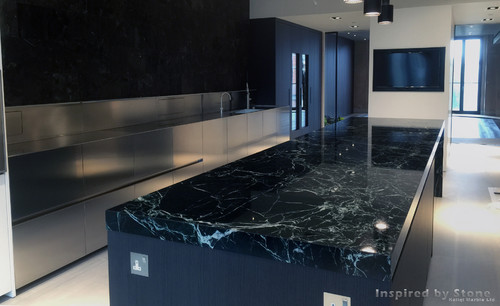
Why marble needs special care
When cleaning marble worktops, keep the following key points in mind to get a shiny marble surface: –
Gather your supplies
To clean marble surfaces effectively, you’ll need:
- A soft microfiber cloth or sponge.
- A pH-neutral marble worktop cleaner.
- Warm water
- A dry, lint-free cloth
- Baking soda (optional for deep cleaning)
Daily Cleaning Routine
Regular maintenance is key to keeping marble surfaces spotless. Follow these steps for daily cleaning:
- Dust and Wipe: Use a dry microfiber cloth to remove loose dust and debris from the surfaces.
- Wipe with Warm Water: Dampen a microfiber cloth with warm water and gently wipe the surface. Avoid excessive water, as it can seep into the stone and cause discolouration.
- Use a marble-safe cleaner: Spray a pH-neutral marble worktop cleaner on the surface and wipe it down. Ensure the cleaner is specifically designed for marble to avoid damage.
- Dry Immediately: Use a lint-free cloth to dry the surface and prevent water spots.
Deep Cleaning for Stubborn Stains
For deeper cleaning or removing tough stains, follow these additional steps:
- Spot Clean: For stubborn stains, make a paste using baking soda and water. Apply it to the stained area and cover it with plastic wrap. Let it sit for 24 hours, then gently wipe it away.
- Avoid scrubbing: Never use abrasive sponges or brushes, as they can scratch the marble’s surface.
- Rinse and Dry: After removing the stain, rinse the area with warm water and dry it immediately.
Tips for Marble Maintenance
Regular marble maintenance goes a long way in preserving its beauty and longevity. Here are some essential tips:
Seal the Surface
Marble is porous, making it vulnerable to stains and damage. A high-quality marble sealant creates a barrier. It reduces the risk of absorption. Reseal your marble surfaces every 6-12 months, depending on usage.
Use Coasters and Trays
Prevent direct contact between marble surfaces and potentially harmful substances. Use coasters under glasses and trays for toiletries and kitchen items. This practice minimises the chances of spills and stains.
Address Spills Immediately
Accidents happen, but it’s crucial to clean spills immediately to prevent permanent damage. Use a damp cloth to blot (not rub) the spill, then clean the area with a marble-safe cleaner.
Avoid Harsh Chemicals
Stay away from acidic cleaners, bleach, vinegar, and ammonia-based products. These substances can erode marble’s surface and leave it looking dull. Always opt for products labelled safe for marble cleaning.
Protect High-Traffic Areas
In areas like kitchens and bathrooms, where marble surfaces endure frequent use, use mats or rugs to protect the stone from wear and tear.
How to Choose the Right Marble Worktop Cleaner?
Not all cleaners are created equal, and using the wrong one can cause irreversible damage. Here’s what to look for in a marble worktop cleaner:
- pH-Neutral Formula: A pH-neutral cleaner ensures the surface isn’t damaged by acidic or alkaline substances.
- Non-Abrasive: Opt for gentle formulas that won’t scratch or dull the surface.
- Trusted Brands: Research and choose reputable brands specifically designed for marble surfaces.
Common Mistakes to Avoid When Cleaning Marble
Even with the best intentions, certain cleaning practices can harm marble. Avoid these common mistakes:
- Using Abrasive Tools: Steel wool, scouring pads, and hard brushes can scratch the marble.
- Skipping Daily Cleaning: Neglecting it lets dirt and grime build up, making cleaning harder over time.
- Ignoring Stains: Leaving stains unattended can result in permanent discolouration.
- Using Excessive Water: Over-saturating marble can lead to water stains and long-term damage.
Benefits of Proper Marble Maintenance
Caring for marble surfaces not only preserves their aesthetic appeal but also extends their lifespan. Well-maintained marble can:
- Increase the value of your property
- Provide a clean and hygienic environment
- Retain its natural beauty for years
Conclusion
Knowing how to clean marble and maintain its shine is crucial for any homeowner or business owner. With the right cleaning methods and products, you can enjoy your marble worktops for years. Daily cleaning and stain removal are key. A proactive approach to marble care keeps your investment as stunning as it was on day one.
With these tips in mind, your marble surfaces will not only look beautiful but will also stand the test of time. So go ahead, give your marble the care it deserves, and let its natural charm transform your space.
Frequently Asked Questions about Cleaning Marble
Q1. Does baking soda clean marble?
Baking soda can clean marble, but one should be careful, as it is slightly rough and can scratch or damage the marble if used too much or left on too long.
Q2. Can you clean marble with vinegar?
Don’t use vinegar or lemon juice to clean marble. Acids can harm stone, especially marble, which is softer and absorbs liquids more easily.
Q3. What maintenance does marble require?
Marble needs regular cleaning with a pH-neutral cleaner, immediate wiping of spills to prevent stains, and periodic sealing to protect its surface from damage and maintain its shine.
Q4. How do you make marble white again?
To restore the marble’s whiteness, clean it gently with a pH-neutral cleaner, remove stains with a poultice, and polish the surface. Avoid harsh chemicals or abrasives.
