Key Takeaways
- Composite kitchen sinks are made from a mix of quartz or granite stone and resin, offering a very hard surface that resists scratches, chips, and stains.
- Ceramic kitchen sinks are typically made of porcelain or fireclay molded and cooked at high temperatures, providing a traditional look suited for farmhouse or cottage styles.
- Composite sinks generally cost more and are heavier, but they provide high durability, heat resistance, and a modern aesthetic that pairs well with quartz or granite countertops.
- Ceramic sinks are usually more affordable and easy to clean with household items, though they can chip or crack if heavy objects fall on them.
- Maintenance for both sink types requires mild cleaning solutions and soft sponges, avoiding harsh chemicals or abrasive pads to protect their finishes and longevity.
It can seem easy to choose between a ceramic and a composite sink, but it can actually seem like you’re in a maze. You want a sink that fits in well with your worktop, works well every day, and makes your kitchen look better. Ceramic and composite sinks are very common in modern houses, but each has its own pros and cons. We’ll break down those distinctions in a straightforward and easy-to-understand way in this guide so you can choose the sink that really fits your kitchen and your lifestyle.
What is a Composite Kitchen Sink?
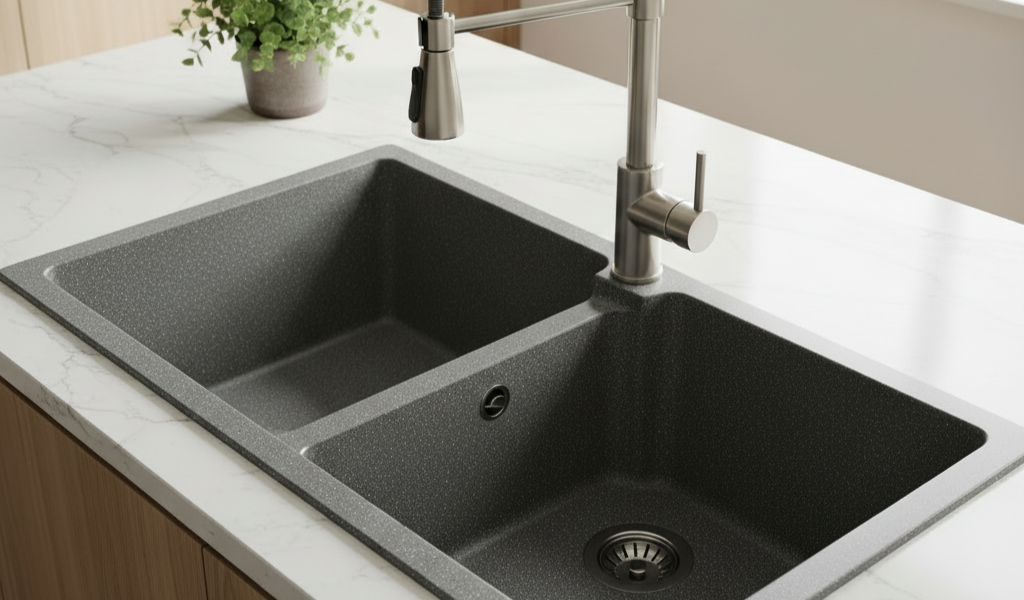
Most composite kitchen sinks are comprised of a mix of granite or quartz stone and resin. This mix makes a surface that is very hard to chip, change colour, or scratch. Some of the darker colours of composite sinks that look good with modern, flat surfaces include black, grey, and brown.
There are several shapes, sizes, and finishes to pick from, so you may find the one that works best for you. You might have a single deep bowl sink for kitchen for big pots and pans or a double bowl sink for washing and cooking food. If your countertops are made of quartz or granite, composite sinks are usually the best kitchen sink choice.
What is a ceramic Kitchen Sink?
To manufacture ceramic sinks for the kitchen, clay is moulded and then cooked to very high temperatures. They are usually made of porcelain or fireclay. The end product is a smooth, substantial surface that looks conventional in the kitchen and feels good to the touch.
Most ceramic sinks are white, which makes them look old-fashioned. They look great in kitchens that look like a cottage or farmhouse, and they truly stand out on floors made of tile or wood. Ceramic is a classic material that looks great in a bowl sink for kitchen and can also be used as a decoration.
The pros and cons of ceramic and composite sinks
Composite sinks
Advantages
- Strong because it is made of acrylic resin and crushed quartz or granite.
- Hot pots and pans won’t scratch, crack, or hurt it.
- A surface that isn’t porous stops stains from coffee, condiments, or wine from clinging.
- There are many colors and finishes to choose from, like as matte and speckled.
- This means that the colors won’t fade over time because they are UV-resistant.
- They are quieter than stainless steel sinks because they absorb sound.
Disadvantages
- Heavier than a lot of other choices, which typically means that cabinets need to be made stronger.
- Costs more than ceramic sinks most of the time.
- The colors could not be exactly the same from one batch to the next.
- It’s tougher to mend chips and scratches.
- You can only use mild cleaners because strong ones can damage the finish.
Ceramic sinks
Pros
- Made of real clay and finished with a glaze that will endure forever.
- It is safe from stains, fading, and bacterial growth thanks to the glazed cover.
- You can easily clean it with things you have around the house.
- It usually costs less than composite sinks and lasts a long period.
- Works nicely with a lot of different types of surfaces, like wood, tile, and laminate.
Cons
- It can have chips or cracks if heavy things fall on it.
- It’s heavy enough that you might need to pay someone to put it up.
- Changes in temperature that happen quickly and dramatically can hurt it.
Composite vs Ceramic Sink Cost Comparison
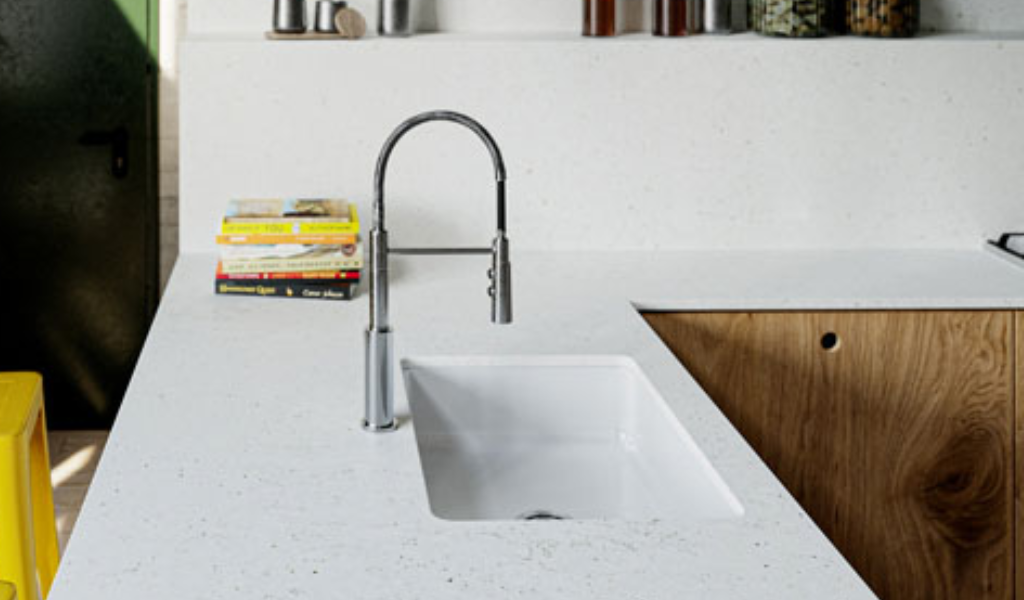
Most of the time, composite kitchen sinks are more expensive than other kinds of sinks. Most top-mount composite granite sinks cost between $150 and $400. Most under-mount or dual-mount sinks cost between $200 and $600. Depending on the style and features, high-end sinks like farmhouse or apron-front sinks can cost anywhere from $300 to $1,500 or more.
Even so, composite sinks are worth the extra money because they look good, resist heat, and last a long time. Because they are heavier, they also tend to cost more to install.
Ceramic sinks, on the other hand, are usually cheaper. Depending on the shape and size, they usually cost between $200 and $700. Because of this, ceramic—especially high-quality fireclay models—often offers homeowners a more affordable but long-lasting choice for long-term value.
Maintenance & Care Tips
Composite Sinks
To keep the finish on composite sinks, they should be cleaned with moderate cleaning solutions and wiped off often. They can endure for decades if you take care of them.
How to clean a Composite sink?
- For daily cleaning, use a soft cloth or sponge and warm, soapy water.
- Don’t use harsh chemicals or rough pads, as they can hurt the surface.
- After each usage, rinse and dry the sink to keep limescale from building up.
- For stains that won’t come out, make a paste of baking soda and water and apply it. Then rinse it well.
- To keep the shine and protection, think about putting on a coat of mineral oil every now and then.
Cleaning ceramic sinks is easy with things you have around the house. You can fix small chips, but if you use it a lot, the shiny surface may lose some of its shine over time.
Ceramic Sinks
How to clean a ceramic sink?
- Use a sponge that isn’t too rough and some mild dish soap to wipe it down every day.
- Don’t drop heavy pots or utensils to keep them from chipping.
- If you have a difficult stain, try a cleaner that doesn’t scratch or a mix of vinegar and water.
- To keep the sink shiny and free of water marks, dry it off often.
- If you often use heavy pots and pans, use sink mats to protect them.
Which is best for you: a composite sink or a ceramic sink?
If you want a composite kitchen sink,
- Choose quartz or granite for the sink if you want a modern or contemporary look with the kitchen countertop.
- Needs to be able to handle a lot of use and hot pots and pans.
- Like modern tints that aren’t too brilliant, like black or grey.
If you want a sink made of ceramic,
- It appears like a farmhouse or an old house.
- Want something that doesn’t cost a lot and is easy to clean.
- Like the timeless elegance of a gleaming white finish.
In short
In this case, both ceramic sinks and composite sinks have their merits and cons. Composite is fresh, lasts a long time, and can be changed to fit your needs. It looks wonderful in a modern kitchen with quartz or granite countertops. Ceramic is a fantastic choice for classic styles because it looks nice, lasts a long time, and isn’t too expensive.
If you want a modern, strong sink, that’s the best kitchen sink for you. If you want a simple, affordable sink, that’s the best kitchen sink for you. No matter which sink you choose, it will make your kitchen look and work better.
Questions People Ask a Lot
Q1. Are composite kitchen sinks superior to sinks made of ceramic?
Not always; they’re just not the same. Ceramic is a classic material that is easy to clean. Composite, on the other hand, is stronger and more modern.
Q2. Do stains stay on composite sinks kitchen?
They don’t stain readily, but if you don’t clean them regularly, they may develop spots.
Q3. What kind of best kitchen sink is ideal for a home with kids?
Composite is the best choice if you need something that will last. Ceramic is usually the best choice for both style and budget.
Q4. How do you clean a kitchen sink made of composite materials?
Don’t use a sponge that is too rough or dish soap that is too powerful. A paste made of baking soda and water or a solution of vinegar will help you get rid of stains. Don’t use chemicals that are too strong or steel wool.
Q5. What should you do if the kitchen sink stops working?
You can use a repair kit with epoxy for composite materials to fill in small cracks. If the cracks are very broad or deep, you might need to engage a pro to fix them or buy a new sink.
Q6. What is the lifespan of kitchen ceramic sinks?
Ceramic sinks are incredibly strong and can handle heat, stains, and daily use. They can endure for decades if you take care of them.
Q7. Can ceramic sinks get scratched?
They can take slight scratches, but sharp objects and strong cleaners can scratch them. When you utilize a sink grid, things don’t break.
Q8. Do composite sinks lose their color with time?
Yes, objects can fade if you leave them in the sun for a long time, use harsh chemicals, or don’t clean them well enough. Cleaning lightly on a regular basis helps keep the color.