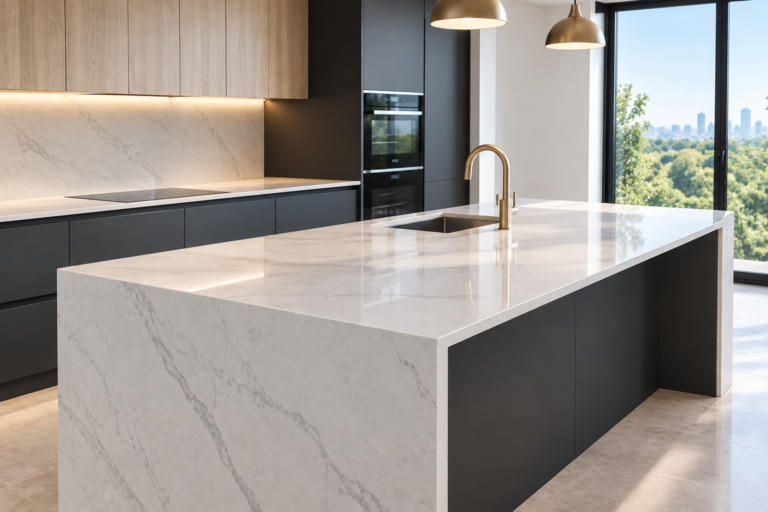
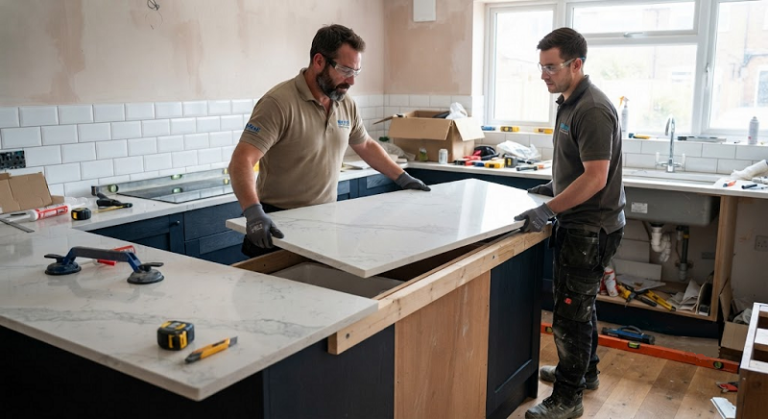
Key Takeaways
- Quartz worktops are very durable, attractive, and require little maintenance, making them an outstanding choice for kitchens and bathrooms.
- The cost of quartz worktops typically ranges from £300 to £2,000 per metre depending on material grade, thickness, surface dimensions, and customisation.
- Main factors that affect the total price include material quality and brand, slab thickness and size, installation and fabrication requirements, colour and pattern choices, and regional variations.
- Homeowners should watch out for hidden extra costs such as sink and hob cutouts, tap holes, edge profiles, join lines, delivery, and removal of old worktops.
- To save money, buyers can choose standard colours, limit fancy edge profiles, purchase supply and installation packages together, compare multiple local quotes, and minimise waste.
Quick Answer: quartz worktops in the UK typically cost between £200 and £950 per square metre, fully supplied and fitted, depending on the brand, thickness, and how fancy your edges and cut-outs are. A standard-sized kitchen (around 4–5 metres of worktop run) usually comes to somewhere between £1,200 and £3,800 all in. Bigger kitchens with an island can push past £5,000.
That’s the headline. The rest of this guide is about the bit that actually matters: why your quote might land anywhere in that range, what’s hiding inside a “per metre” price, and how to avoid paying more than you need to.
Quartz isn’t natural stone in the way granite or marble is it’s engineered, usually around 90–95% crushed quartz bound together with resin and pigment. That’s precisely why it’s taken over as the go-to worktop in UK kitchens: it doesn’t need sealing, it shrugs off red wine and turmeric stains, and you can get it in almost any colour going, from plain white to a Calacatta-marble look that fools most dinner guests.
How Much Is a Quartz Worktop Per Metre in the UK?
This is where a lot of quotes get confusing, so let’s clear it up properly.
Fabricators quote in two different ways, and they don’t always say which one they mean:
- Per square metre (m²), the actual surface area of stone (length × the standard 600mm depth). This is the more accurate way to compare quotes.
- Per linear/running metre, just the front-to-back length, assuming a standard 600mm-deep worktop. This is what most small kitchen showrooms quote off the bat because it’s a simpler number to say out loud.
If someone quotes you “£300 per metre,” ask which one they mean, the difference between the two can be 60–70% on paper for the same worktop.
Working from square metres (the more transparent unit), here’s where UK pricing actually sits in 2026, based on rates from fabricators, tradesperson directories, and stone suppliers across the country:
| Tier | Supply & Fit (per m²) | What you’re getting |
| Budget / Entry | £200 – £350 | Lesser-known brands, plain colours, standard pencil edge |
| Mid-Range | £350 – £550 | Established brands (Silestone, Caesarstone tier), wider colour range |
| Premium / Designer | £550 – £950 | Bookmatched veining, large-format slabs, rare colours, decorative edges |
Anyone quoting much above £950/m² for standard fitting isn’t necessarily overcharging, it just means you’re into rare-slab or bespoke-fabrication territory, and it’s worth asking exactly what’s driving the number.
What’s Actually Included in a Quartz Worktop Quote?
A “price per metre” figure on its own tells you almost nothing about what you’ll pay on the day. Here’s what should be itemised on a proper quote:
| Component | Typical Cost | Notes |
| Quartz slab (material) | £150–£700/m² | Brand and pattern-dependent |
| Fabrication (cutting, polishing, joins) | £40–£150/m² | More joins = more cost |
| Templating & installation | £150–£300 per job | Usually a flat callout fee |
| Sink/hob cut-outs | £80–£200 each | Undermount sinks cost more to finish |
| Edge profiling | £20–£60 per linear metre | Bullnose and ogee cost more than a plain pencil edge |
| Old worktop removal | £80–£200 | Optional, and worth asking if it’s even needed |
If a quote you’ve received doesn’t break these out, ask for an itemised version before you sign anything. It’s the single easiest way to spot where the extra cost is actually coming from.
What Does a Quartz Worktop Cost by Kitchen Size?
| Kitchen Type | Typical Worktop Run | Total Cost (Supply + Fit) |
| Small galley kitchen | ~3m run | £1,200 – £2,200 |
| Medium L-shaped kitchen | ~4–5m run | £2,200 – £3,800 |
| Large open-plan kitchen with island | 7m+ run | £4,000 – £7,000+ |
A real example: a 4-metre L-shaped run in mid-range 20mm quartz, with a sink cut-out and a hob cut-out, fitted in London, typically lands around £2,600–£3,400. Go for a bookmatched premium slab with a waterfall edge on an island, and that same kitchen can climb past £6,000, the material and the edge detail do most of the heavy lifting on price, not the square footage itself.
Buy Best Quartz Worktops At An Affordable Price With KML Worktops! Contact Us.
What Actually Drives the Price Up or Down?
Brand and slab quality: A lesser-known brand and a household name like Silestone or Caesarstone can differ by £150–£300/m² for what looks, at a glance, like a similar colour. You’re paying for pattern consistency, warranty length, and the fact that a fabricator can source a matching slab in five years if you ever need a repair.
Thickness: 20mm quartz is the standard choice for most UK kitchens and is usually 15–20% cheaper than 30mm. The thicker slab looks chunkier at the front edge, but structurally, 20mm on proper support is fine for domestic use; once you go thicker, you’re paying for looks, not durability.
Fabrication complexity: Every join, every cut-out, every internal corner adds labour time. A simple straight run with one sink cut-out is about as cheap as fitting gets. An L-shape with a hob, an undermount sink, and a curved end will always cost more, even in the same material.
Colour and pattern: Plain whites and greys are the cheapest quartz going. Anything with heavy veining, multi-tone patterning, or large-format continuous veins (the kind that need slabs matched across joins) sits at the top of the price scale, because it takes more skill and more waste to fabricate.
Where you live: London and the South East generally run higher than the rest of the country for both labour and delivery. It’s not dramatic, but it’s real, expect to pay a bit more here than you would in, say, the North East for an identical spec.
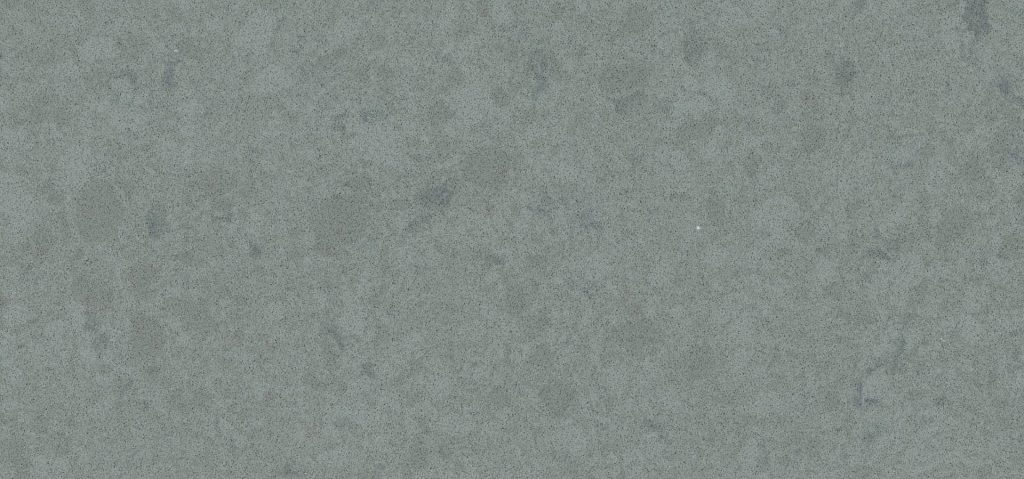
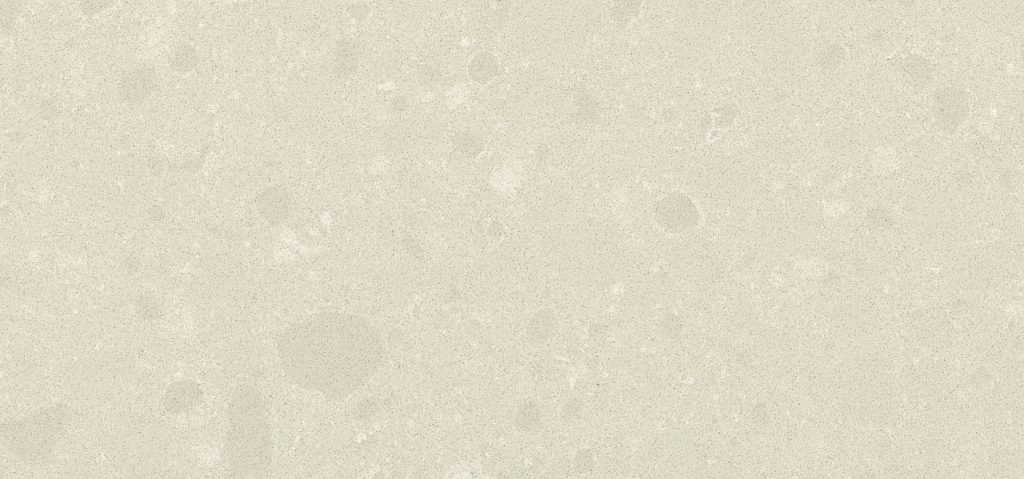
Looking for a wider colour range to compare finishes against your budget? Our Quartz Worktops buying guide covers how to match colour choice to price tier without landing on something that looks cheap.
Relatable: Top 5 Best Quartz for Kitchen Countertops








Extra Costs People Forget to Budget For
A per-metre headline price is a starting point, not the final invoice. These are the line items that catch people out most often:
- Tap holes and drainer grooves
- Undermount sink finishing (the underside needs polishing too)
- Non-standard edge profiles
- Join lines, if your run needs more than one slab
- Delivery, especially for large single-piece islands
- Removal and disposal of your old worktop
- Templating visits, if your kitchen has an awkward layout
Rule of thumb: if your kitchen needs two slabs, has a curve, a hob cut-out, and an undermount sink, budget an extra £250–£600 on top of the headline price. It’s rarely one single big cost, it’s four or five smaller ones stacking up.
How to Get Quartz Worktops for Less
- Stick to standard colours: Plain whites, greys, and blacks cost noticeably less than veined or patterned slabs, and they age well.
- Simplify the edge: A pencil or eased edge is usually included free. Ogee, bullnose, and mitred edges each add cost per linear metre for what is, frankly, a small visual difference once it’s fitted.
- Go 20mm unless you have a strong reason not to: It’s the UK standard for good reason, cheaper, and visually fine with the right cabinet support.
- Get supply and fit from the same company: Buying material from one place and hiring a separate fitter almost always costs more once you add up two call-out fees and the risk of a mismatched finish.
- Ask about remnants: Fabricators often have offcuts from larger jobs going spare at a discount, worth asking, especially for a smaller kitchen or a bathroom vanity.
- Get proper itemised quotes from two or three fabricators: not just one. Prices for the same spec can vary by £500+ across companies in the same city.
- Plan your layout to avoid awkward cuts: Every unnecessary corner or curve adds fabrication time. A simpler kitchen plan is a cheaper worktop.
Want a rough figure before you start ringing round for quotes? Our Quartz Worktop Price Calculator gives you a ballpark based on your kitchen size and finish in under a minute, useful for setting a budget before you talk to anyone.
Read Also: How to Clean and Shine Quartz Worktops?
Final Thoughts
The number that matters isn’t the headline “£X per metre” you see on a website, it’s the fully itemised quote for your specific kitchen, with the cut-outs, edges, and fabrication written out separately. Anyone quoting a single flat figure with no breakdown is either rounding up to cover themselves, or leaving something out that’ll show up on the final invoice.
Budget realistically for £200–£950/m² depending on the finish you want, get two or three proper quotes, and don’t be shy about asking what’s included. A quartz worktop is one of the few kitchen upgrades that genuinely lasts as long as the kitchen around it, worth getting the quote right the first time.
Frequently Asked Questions
Q1: How much is a quartz worktop per metre in the UK?
Expect £200–£350/m² for budget quartz, £350–£550/m² for mid-range brands, and £550–£950/m² for premium designer slabs, fully supplied and fitted. Always confirm whether a quote is per square metre or per linear metre before comparing prices.
Q2: How much does a quartz worktop cost for an average UK kitchen?
A typical kitchen with 4–5 metres of worktop run costs between £2,200 and £3,800 fully fitted in mid-range quartz. Smaller galley kitchens usually come in under £2,200; larger kitchens with an island can exceed £5,000.
Q3: What’s the cheapest way to get a quartz worktop?
Choose a plain colour, standard 20mm thickness, a pencil edge, and buy supply-and-fit as one package from a single fabricator. Asking about remnant slabs and comparing at least three itemised quotes typically saves the most.
Q4: Is quartz cheaper than granite?
They’re broadly similar at entry and mid-range, though granite needs annual resealing that quartz doesn’t, which usually makes quartz better value over time even at a comparable upfront price.
Q5: Is 20mm or 30mm quartz better?
20mm is the standard choice for UK kitchens, costs 15–20% less than 30mm, and performs just as well structurally when properly supported. 30mm is chosen mainly for its heavier, more substantial look at the front edge, not for durability.
Q6: Do quartz worktops need sealing?
No. Unlike granite or marble, quartz is non-porous straight out of the factory and doesn’t require sealing, resealing, or any ongoing maintenance beyond normal cleaning.
Q7: Can quartz worktops crack or chip?
They’re highly resistant to everyday knocks, but a hard, sharp impact right on a corner or edge can chip it, and extreme sudden heat (a pan straight off the hob, for example) can occasionally cause thermal stress. A trivet solves that particular risk entirely.
Q8: How long do quartz worktops last?
With normal use, a properly installed quartz worktop should easily last 20–25 years, which is why most reputable brands back it with a warranty of that length.
Q9: Where can I find quartz worktops near me?
If you’re in London, Surrey, Essex, or Kent, KML Worktops supplies and fits quartz worktops with free samples and no-obligation quotes, alongside nationwide delivery for other UK postcodes.