Key Takeaways
- Porcelain worktops are made from refined natural mineral varieties like kaolinite and feldspar, fired at high temperatures to create a hard, dense, and non-porous material.
- They offer remarkable durability, being highly resistant to scratches, chips, heat, water absorption, mould, mildew, and bacteria.
- Modern printing technologies allow porcelain to offer great design flexibility, successfully replicating natural stones like marble and granite in various colours, patterns, and finishes.
- Maintenance is relatively easy, requiring only regular washing with water and mild detergent while avoiding abrasive materials and harsh chemicals.
- Due to the large and thin nature of porcelain slabs, professional-level handling and installation using special tools and skills are essential.
The use of porcelain for worktops has become widespread as it is a popular trend these days. This is because these materials offer the much-needed durability. They are also low maintenance and create a rich look that modern kitchens want.
You may have ideas to invest in porcelain worktops for your bathroom or kitchen surfaces. But before that, there are some key aspects you should understand first for the actual purchase.
To help you with porcelain purchase for worktops, this blog explains the crucial factors you need to know.
What is Porcelain?
Generally, porcelain stones are made of refined natural mineral varieties, such as kaolinite and feldspar, which are used to make porcelain. These minerals will be fired at a higher temperature in the industry. During this process, the clay vitrifies.
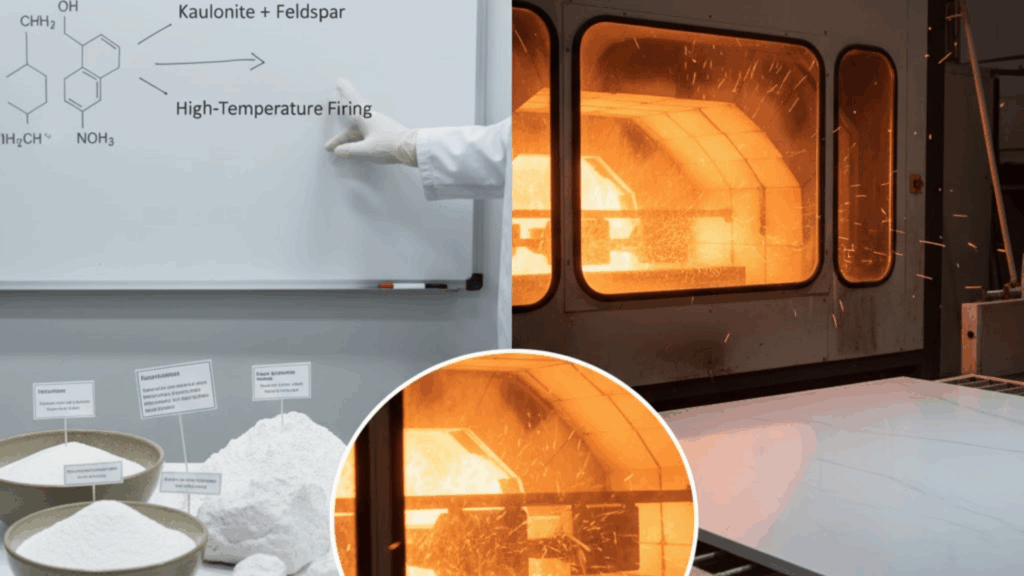
The result of this process is a hard, dense and durable material known as porcelain. After this process, the porcelain slabs made will be non-porous. They will even stay resistant to heat, stains, scratches and various impacts.
Pros and Cons of Porcelain Worktops
Looking at porcelain worktops’ pros and cons helps you know if it is the right worktop option for your kitchen and bathroom spaces. Therefore, spend time selecting worktops for the surfaces that experience high wear and tear.
Durability and Strength
Durability is a remarkable and important benefit of porcelain worktops. Because these items are dense in composition, surfaces with these materials are truly resistant to scratches, chips, heat and even cracking.
This shows that you can work with knives, hot pots, or pans on your porcelain worktops in the kitchen. You don’t have to think about damaging the stone. But generally, it’s good to use cutting boards and trivets on porcelain.
Porcelain also resists water absorption very easily. It is non-porous and prevents the formation of mould, mildew and bacteria. This capability of the material helps hygiene maintenance of kitchen and bathroom surfaces and enables a healthier home space.
Design Flexibility
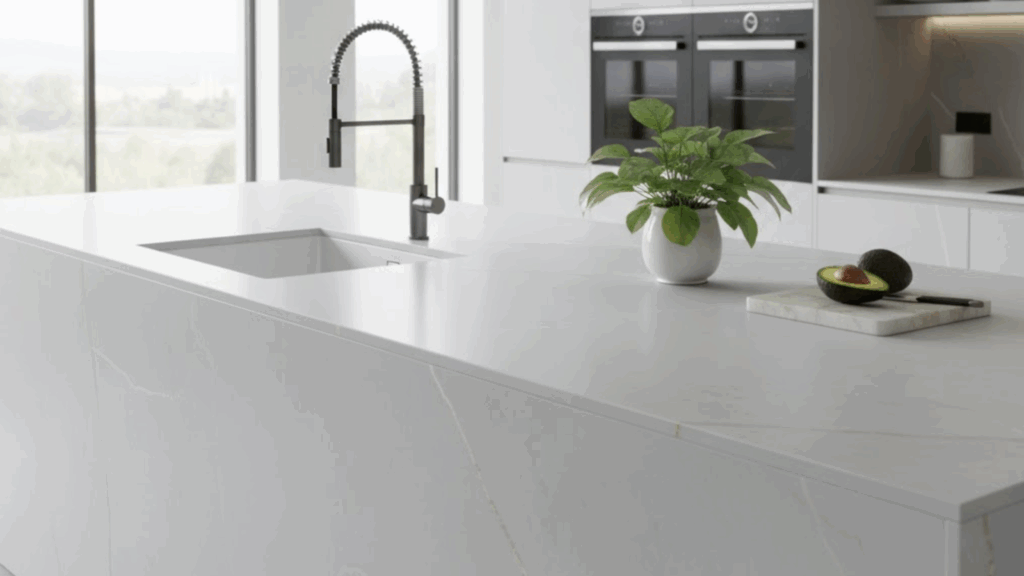
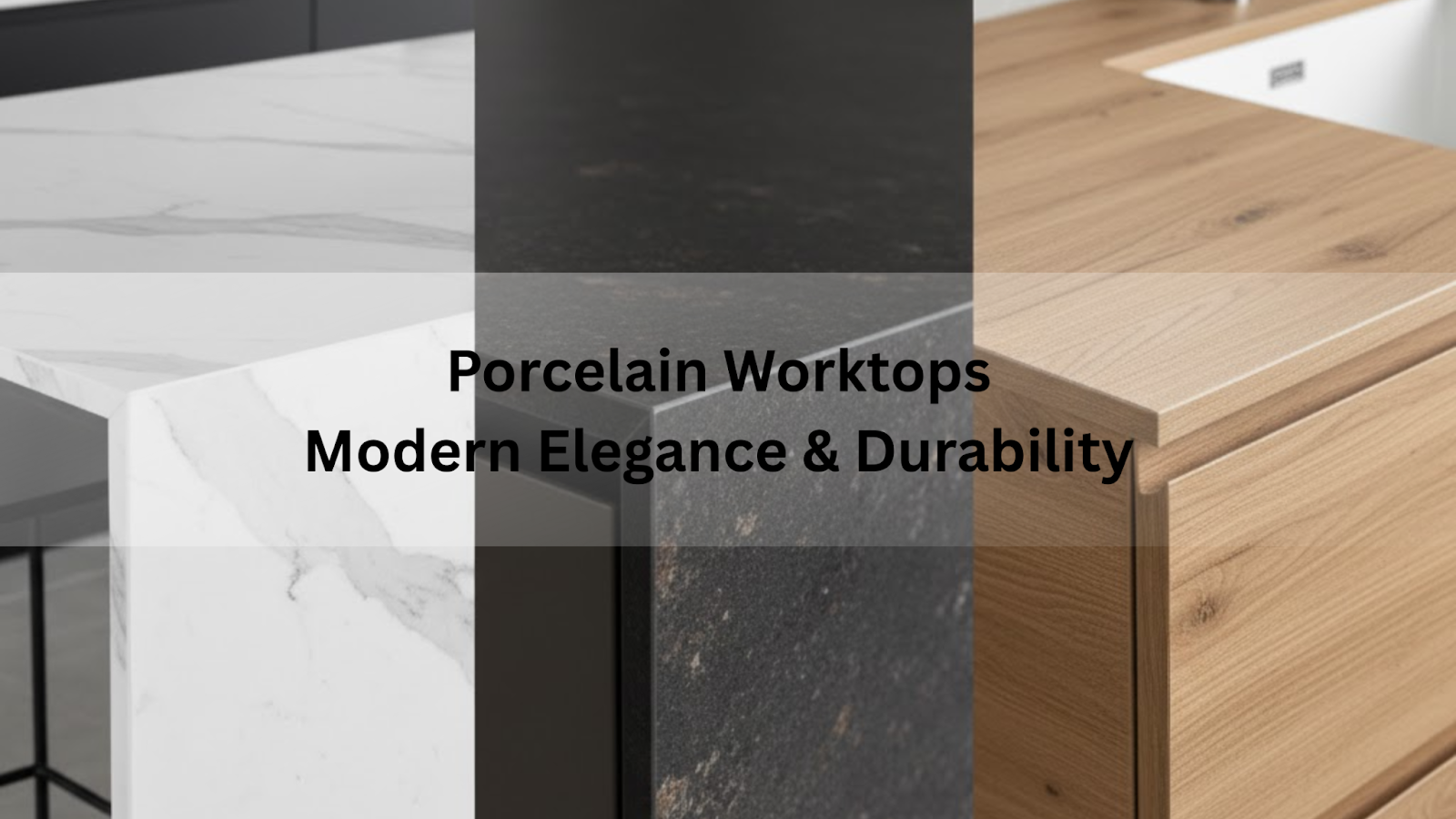
You can choose from various designs when it comes to a porcelain kitchen worktop. This is because of modern printing technologies available today. The best part is that porcelain can work like natural stones.
These designs can replicate materials like marble, granite, or even wood at times. This material can create nice aesthetics without many negatives. You can also buy them as ultra-slim types if you want sleek and modern kitchen design elements.
Porcelain slabs can be bought in various colours, patterns or finishes you want. It is great for customisation based on users’ personal tastes and design ideas. It is versatile, so that these worktops can support traditional, modern and minimalist kitchens.
Cost Considerations
The cost of porcelain falls between mid-range and high-end options for worktop needs. These options are more affordable than other premium-looking natural stones such as marble.
They normally cost more than laminate or tile options. The price proves the durability, advanced manufacturing process and its aesthetic qualities.
If you are on a budget, you should consider buying porcelain worktops. This will generate long-term value for you as they last long and resist damage.
Maintenance Tips
Porcelain worktops are a great choice for those who want surfaces to maintain with less effort. But effective care is a must for achieving a very pristine feel.
Regular washing with water and a good detergent helps the stone look good. Spills should be wiped up at times to avoid drying residues on the surface.
It’s good if you avoid abrasive materials. Some are scouring pads and harsh cleaners. These can dull the finish so that you can make use of soft cloths or sponges to clean.
Porcelain Worktops Cleaning Tips
(Image alt: DURABILITY & STRENGTH Of Porcelain Worktops: Heat, Scratch & Stain Resistant)
Baking soda paste works nicely for at least most types of stubborn stains. Once applied, leave it to work for more than 10 minutes. Later, you can consider wiping it clean. However, ensure that you do not use toughened chemicals in conjunction with acids or ammonia. This is because they can react with the gloss of your stone porcelain.
Most of the time, porcelain kitchen countertops are strong against scratches. But you should avoid chopping or cutting your food items straight on the surface. Always keep the surface safe from sharp objects and heavy materials. This will protect the worktop from unexpected damage and boost your stones’ lifespan.
How to Install Porcelain Worktops?
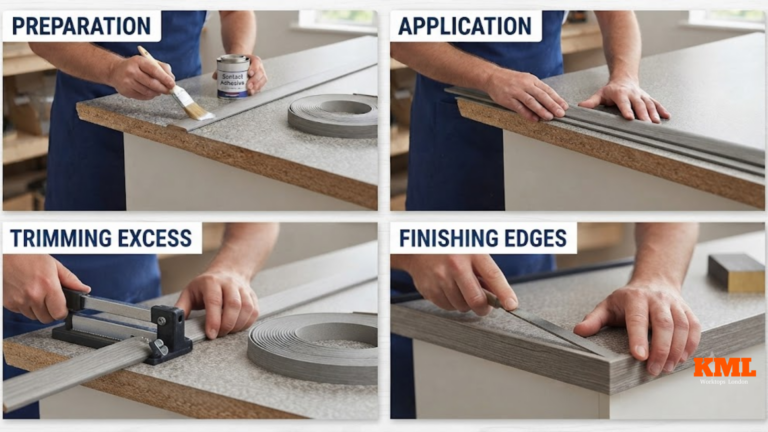
Most porcelain slabs are large but thin. So they require pro-level handling and installation. Good installation is a must if you like to avoid damage during fitting. It also helps achieve a smooth finish that meets aesthetics and durability standards.
You need special tools and skills for moving and cutting porcelain slabs. This is mainly because they are hard and fragile under uneven stress. So, always work with experienced tile installers who specialise in working with porcelain worktops to get the best result.
Limitations and Considerations
Porcelain worktops are good for many uses, but here are some considerations:
Possible Risk: Porcelain is already very hard and strong. Anyhow, it may chip if large objects are placed or dropped on its edges and corners.
Cold to the Touch: Most porcelain stones will feel colder than other natural stones and wood. They truly affect your comfort based on your preferred choices.
Surface Sensitivity: Porcelain is truly resistant to types of staining. But it should be cleaned when possible, when there are types of spills. This is a must when talking about permanent inks or dyes, as these might stain if left for a longer time.
Environmental Impact
When compared to other options like synthetic materials, porcelain for kitchen is eco-friendly. These are made from fully natural materials and can be produced with sustainable methods. So, picking porcelain will help the environment and reduce waste through lasting durability.
Final Thoughts
Opting for porcelain worktops from companies like KML Worktops London is the best option to bring durability and pleasing aesthetics to the kitchen. So this makes them a top pick for today’s homes. Pairing careful porcelain selection with expert installation helps. Your investment will result in a stylish, hassle-free worktop that lasts longer if you choose KML Worktops London.
FAQs
Q. What are porcelain worktops made of?
Porcelain worktops are made from ceramic clay that is cured to create a dense, durable surface. They often mimic the look of natural stones like marble or granite.
Q. Are porcelain worktops scratch-resistant?
Yes, porcelain worktops are highly resistant to scratches and abrasions due to their dense structure.
Q. Do porcelain worktops require sealing?
No, porcelain is non-porous and does not require sealing, unlike natural stone countertops.
Q. How do you clean porcelain worktops?
Simply wipe them down with warm, soapy water or a mixture of water and vinegar. For stubborn stains, a soft sponge or brush can be used.
Q. Are porcelain countertops eco-friendly?
Yes, porcelain is made from natural materials and is recyclable, making it a sustainable choice for countertops.
Q. Can porcelain worktops handle the heat?
Yes, porcelain is heat-resistant and can handle hot pots and pans without damage. However, using trivets is recommended to prevent thermal shock.
Q. What design options are available for porcelain worktops?
Porcelain worktops come in various colours, patterns, and finishes, including matte, glossy, and designs that mimic marble, granite, or modern textures.
Q. Do porcelain countertops stain easily?
Porcelain countertops are non-porous, antimicrobial, and food-safe, offering excellent stain resistance. They are harder than quartz and can withstand high temperatures, ensuring durability and practicality